The Hluboka Castle

I had no idea that this castle was in this sleepy stop over today at Hluboka.

What a find!

The Hluboká Castle (German: Schloss Frauenberg) is considered one of the most beautiful castles of the Czech Republic and I stumbled across it by chance! In the second half of the 13th century a gothic castle was built at the site. During its history it was rebuilt several times. It was first expanded during the Renaissance period, then rebuilt into a Baroque castle at the order of Adam Franz von Schwarzenberg in the beginning of the 18th century. It reached its current appearance during the 19th century when Johann Adolf II von Schwarzenberg ordered the reconstruction of the castle in the romantic style of the Windsor Castle!

Yes you read correctly. He dictated that it should be a Windsor castle look alike!

20130908-080710.jpg

20130907-212237.jpg

20130907-212226.jpg

20130908-080858.jpg

20130908-080925.jpg

Hluboka nad Vltavou

The words “nad Vltavou” translate as “on the Vltavou” – hence any old town “on the river”.

Pisek to Hluboka nad Vltavou

Today was warm but with a couple of rides through cool pine forests (one of which was an “I am bloody lost” experience”), it was the first day that I had to rely on a Czech cycle map. In general the route was on quiet country roads and there is a reasonably well developed and numbered cycle path system. For example I am basically following routes 1017,1016, and intermittently without realizing it 1015, 1051, 1052, 1071 and 1071A and finally a fire track in the state forest outside Vestec.

It was also this first day that I passed many cyclists out for a weekend ride. Perhaps one or two road bikes but the vast majority were hybrids or mountain style. It rivaled some of the busy cycle tracks along the linear park and was very much a family activity.

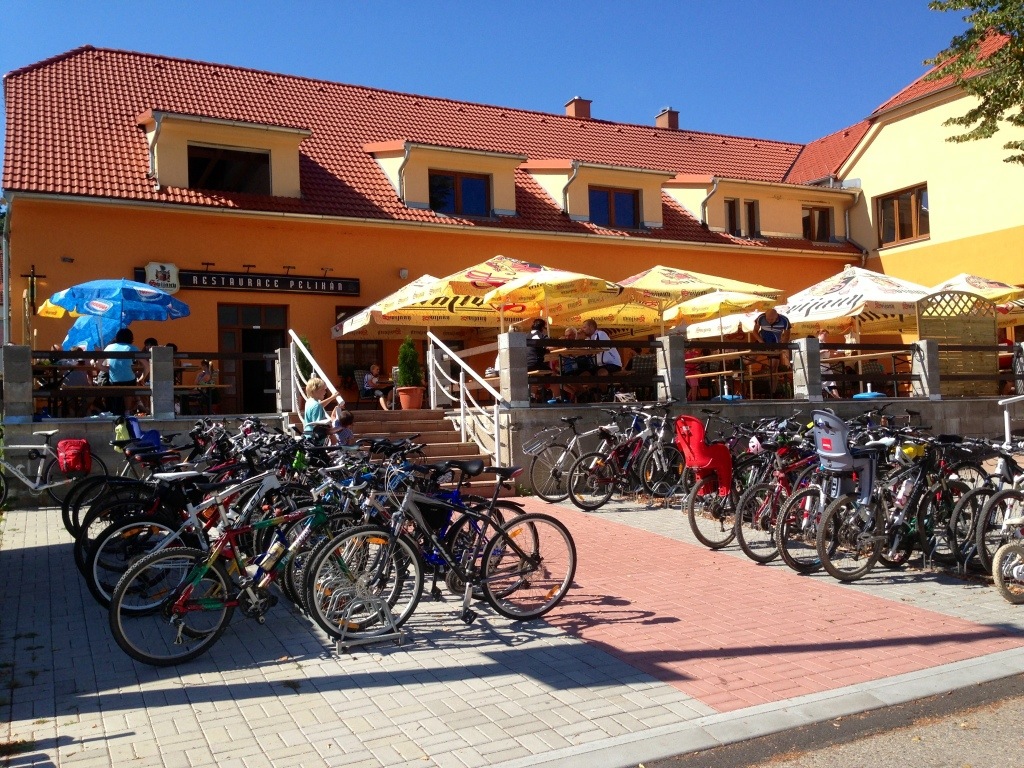
I stopped for a late lunch – at a pub/restaurant at Purkarec. I resisted the urge to photograph the Goulash! But it was a cyclists heaven – not just middle aged men on Lycra but all ages and gender!

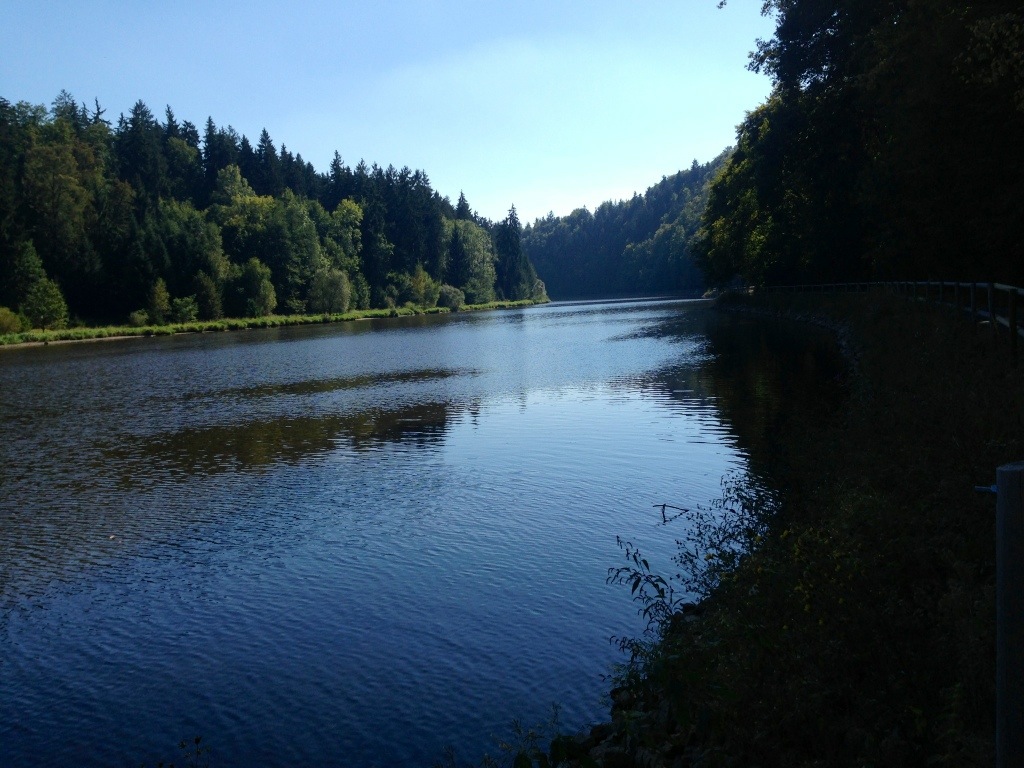
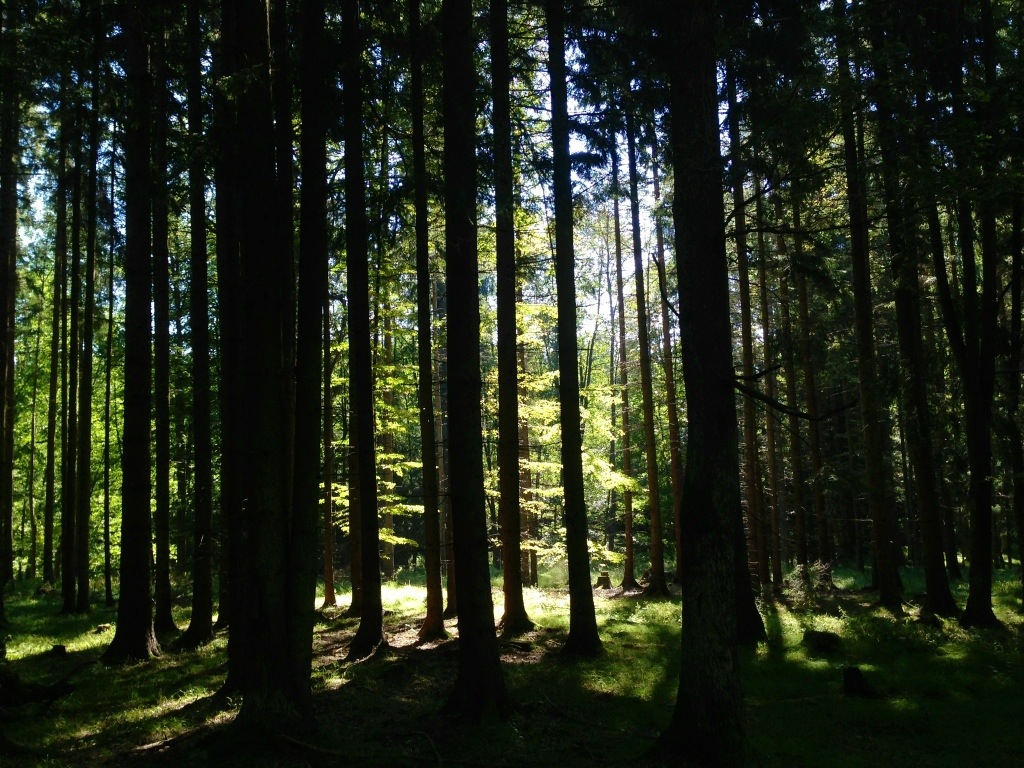
The final 10 or so km into Hluboka was a joy! It followed the river on my left but mostly the water was not visible as I cycled along a well maintained track several metres inland and through cool tall fir trees. “Dappled” is a hackneyed word, but it really does describe the sunlight through the pines. What was exhilarating was the gentle undulations every 200m. I gained some momentum descending, especially with the extra weight of the panniers which, mostly, would get me almost to the top of the next ascent with too many gear changes, but enough to get my heart rate and a sweat, up!

Another passing observation- Czech pubs don’t “do” ice! And completely unrelated, the European wasps are just as aggressive and troublesome here as in Australia!

I had “wild boar in red wine and fresh plums” for dinner! I could try this at home, but not sure where I would source the wild boar?

20130907-205033.jpg

A great start.. Sun shining

20130907-205457.jpg

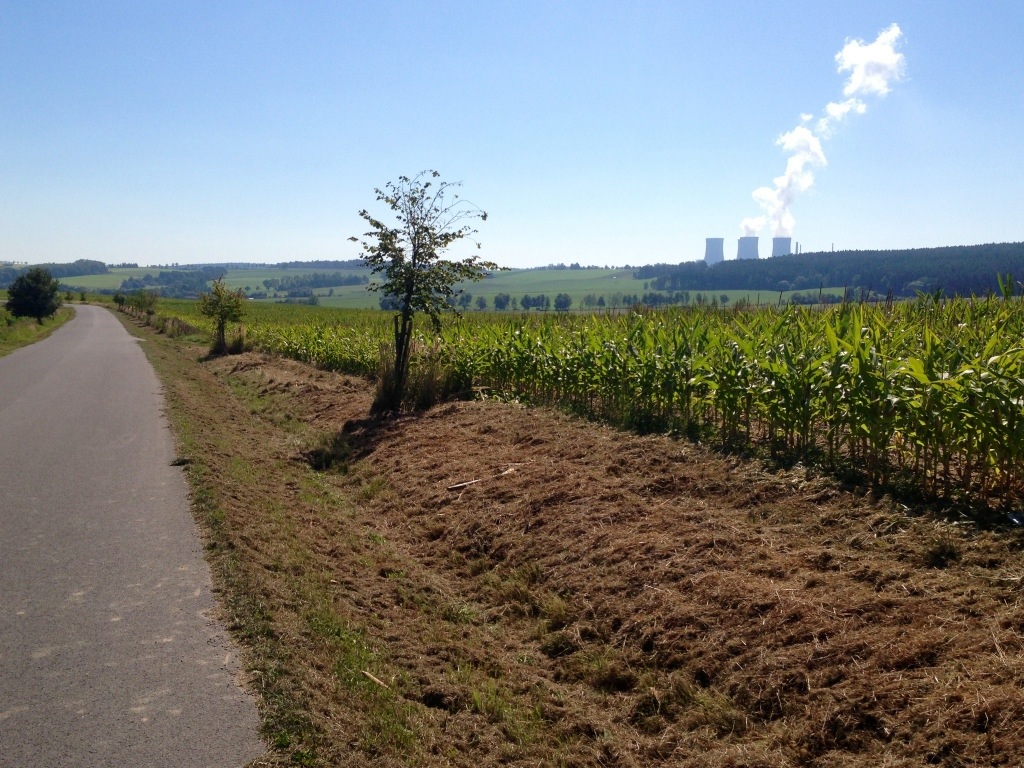
I defy anyone to not not get lost when one comes to an intersection with 5 roads and 2 sign posts to a town pointing in different directions – look carefully! It’s Kluky that I want to go to!!!

20130907-205824.jpg

Something is not quite right about this serene pastoral scene. Outside Tyn nad Vltavau.

20130907-205935.jpg

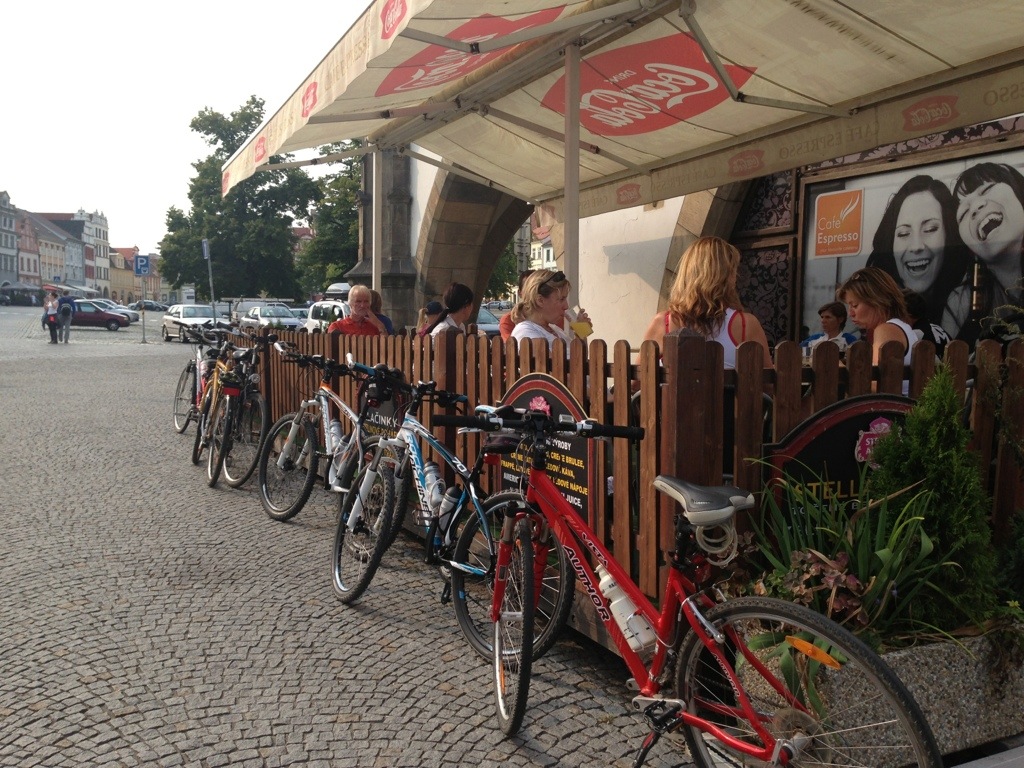
I stopped for a late lunch – at this pub/restaurant at Purkarec. It’s the Czech answer to Meadows Bakery!

20130907-210203.jpg

20130907-210228.jpg

20130907-210253.jpg

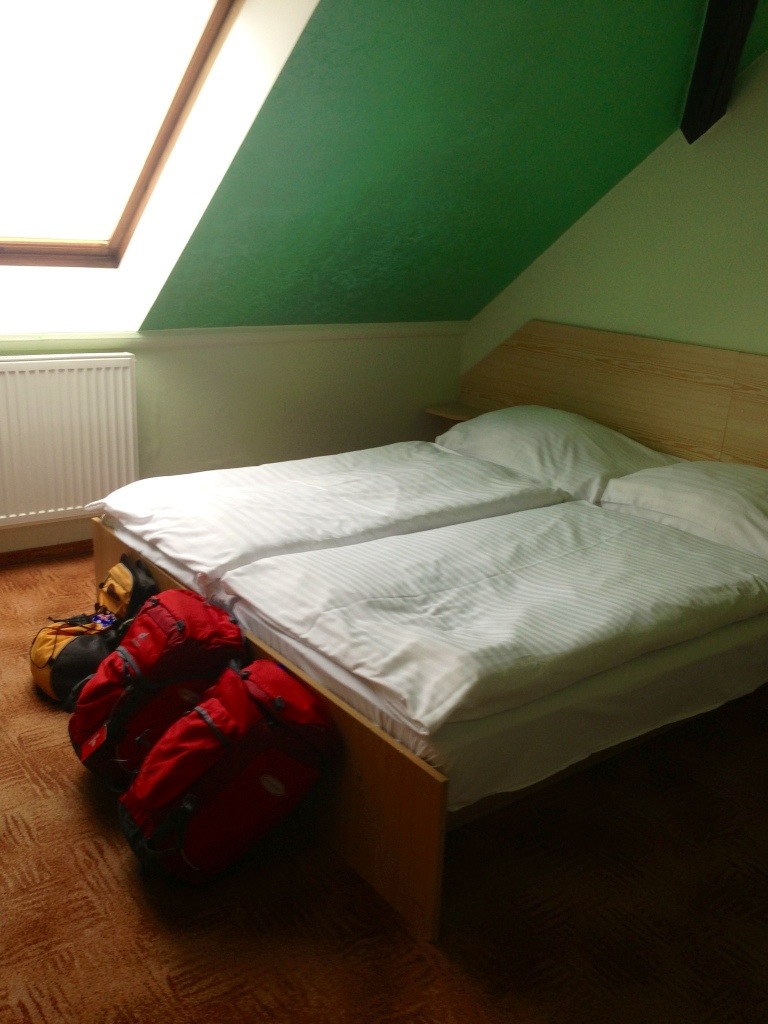
My room at the L-Club Pensione at Hluboka. No idea why it’s called the L-Club’

Pisek

This is quite one of the most delightful villages. It sits on a river and the clean running water provided electricity and a huge malt house that fermented hops to make of course, beer.

As a consequence it was one of the first villages in Bohemia to switch on street electric lighting in 1789.

This led to a dramatic and almost instantaneous decrease in accidental deaths by drowning in the river. The explanation was in retrospect, blindingly obvious! The beer swilling natives could stagger home at night and not face the danger of falling in the river.

As it happens there is a “beer festival” today. It was not all that unique! Think of a food and wind festival on “The Parade” perhaps a quarter the size. However there is the ubiquitous stage with rock band and singer and at a volume that is universally unbearably loud. The music was definitely not Smetana!

Again I am in a delightful B & B in Pisek.

Will let the pictures tell the story!

20130907-063304.jpg

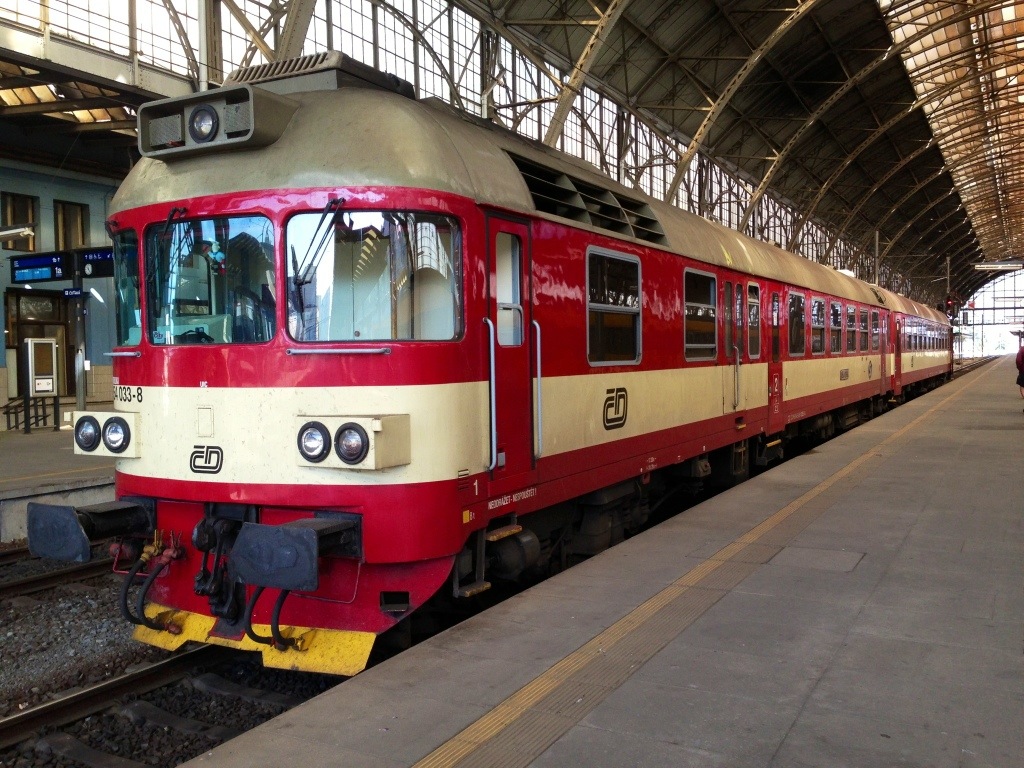
The high speed intercity express that took me from Prague to Pisek!

20130907-063438.jpg

This remarkable baroque “house” is in the town square- it’s now a specialist medical centre! Truely!

20130907-063636.jpg

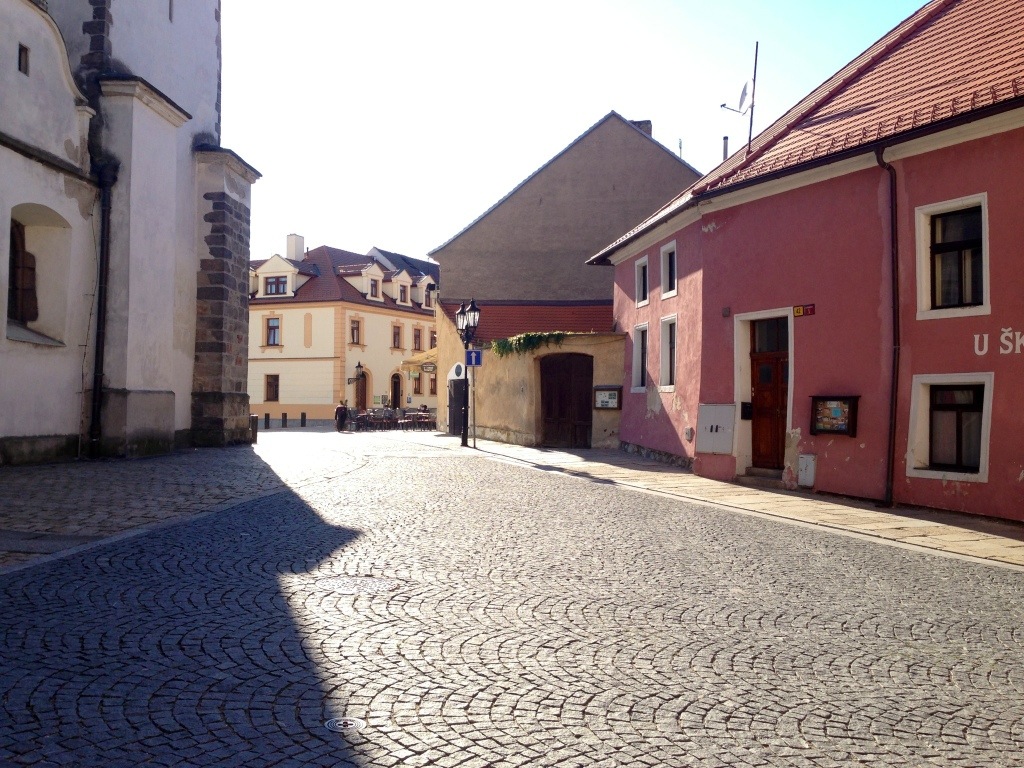
A delightful street scene and street – note the comparison to Prague and the lack of humanity!

20130907-063828.jpg

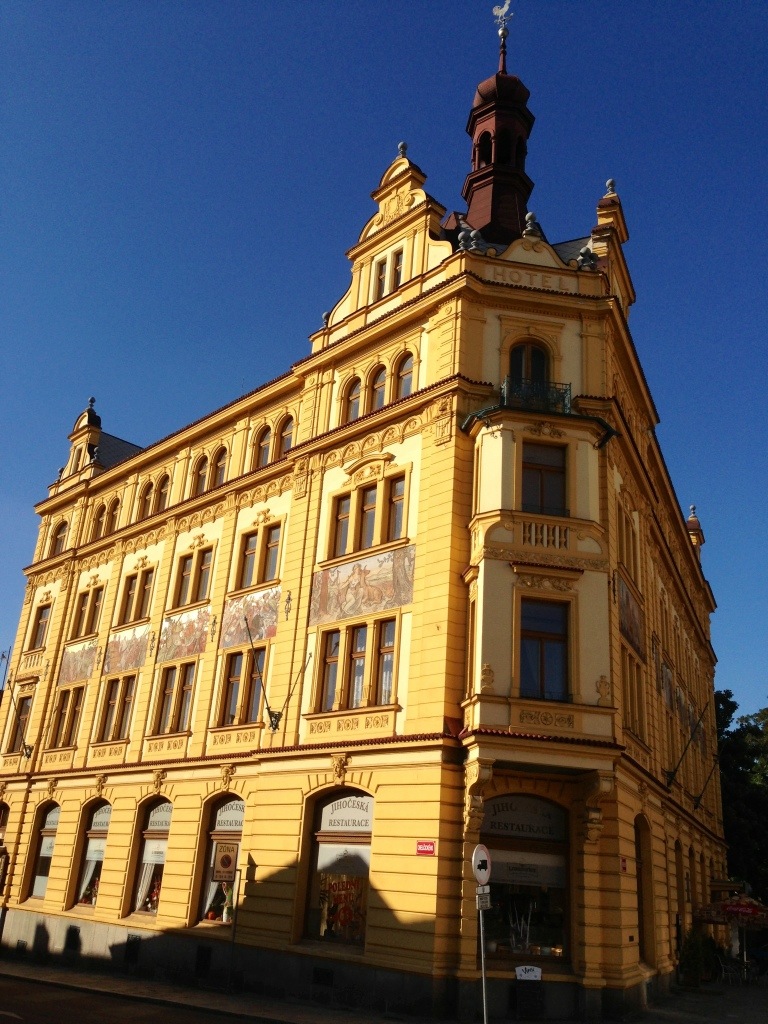
This is the Dvorecek Hotel – one of the most luxurious in all South Bohemia. It was originally built by the local pharmacist Dvorecek in 1899. It was a violin school in the early 20th century.

20130907-064228.jpg

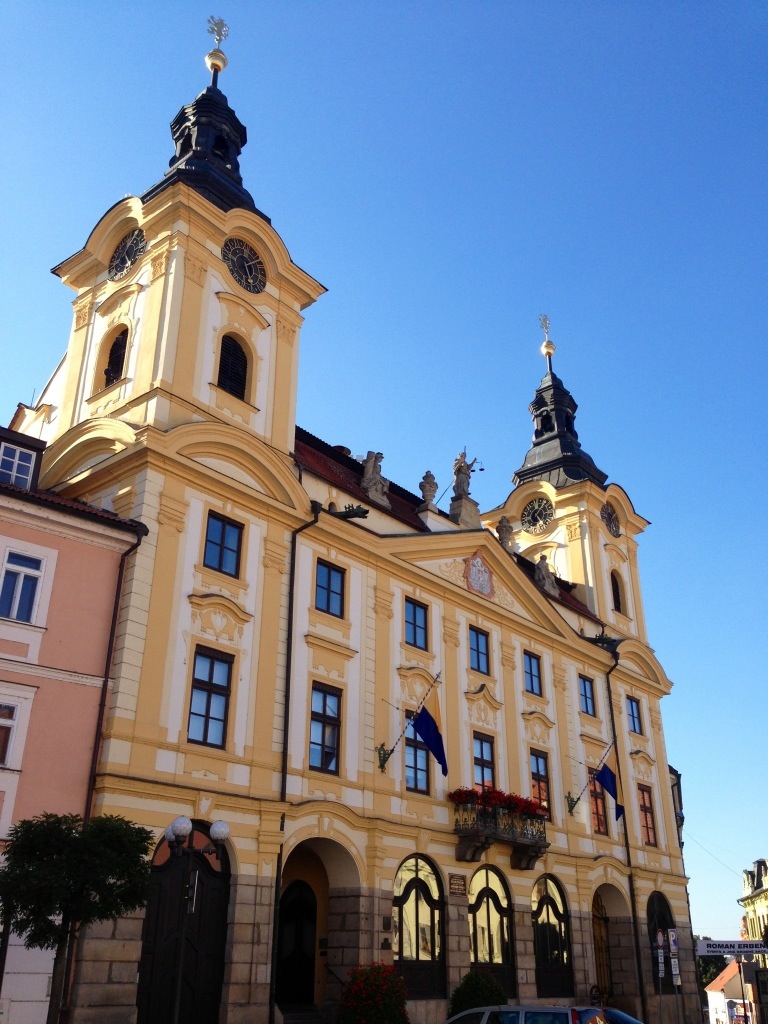
The impressive Town Hall in the square

20130907-064338.jpg

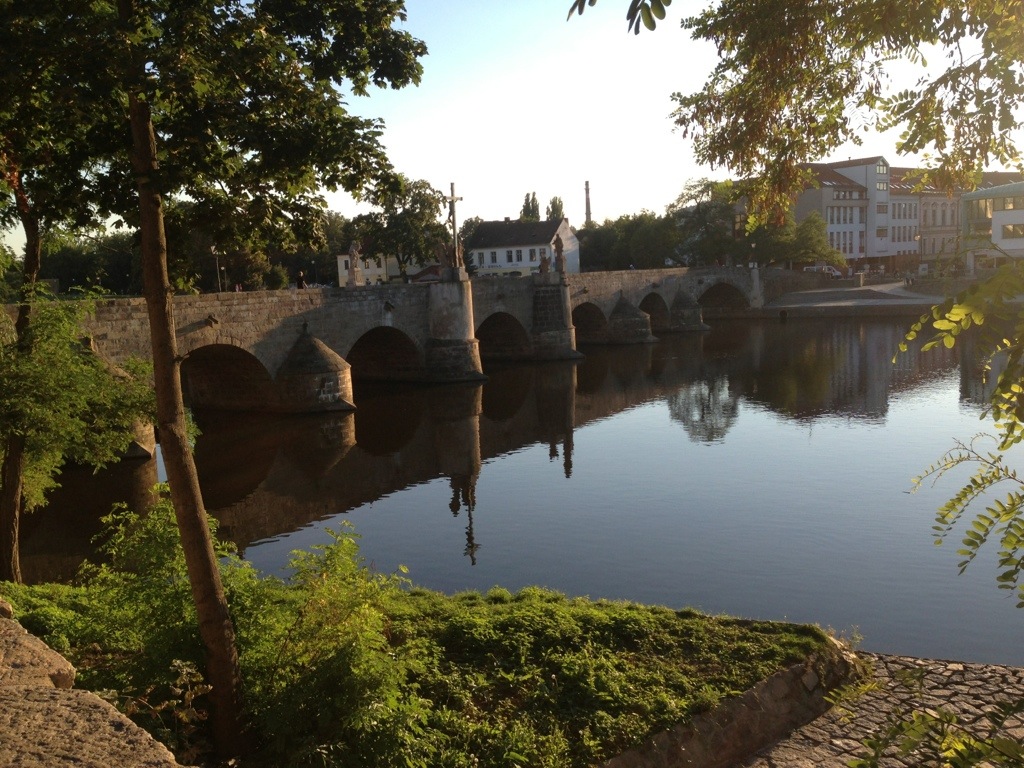
This 7 arched stone bridge over the Otava River was built in the late 13th century – it is the oldest preserved granite bridge of its type in the country!

Dvorak – The museum

Dvorak – of “New World” symphony fame , was an inveterate follower of trains. He was the original Czech train spotter. It was his preferred method of transport, other than when he journeyed to London or New York (naturally), when he was, to his frustration, forced to take a boat!

Now thinking this through, how else was one to travel at the beginning of the 20th century?

He spent hours at the main railway stations of the big cities he visited, chatting to the engine drivers!

He is said to have bemoaned:

” I would give all my symphonies to have invented a steam train”!

The museum is rather forlorn and for its’ entrance fee, disappointing. There is not much to see, the gardens are overgrown and unkempt. There is his desk, his piano, a violin, a few original manuscripts, but surprisingly, given his first love, not one single sepia shot of him standing next to a steaming engine or a sooty driver.

Today is my fourth day in Prague and I feel the itch to move on. I have a definite feel for Prague. I have, however, no fundamental sense of which side of the Moldau River I am on at any given time, but for me the sense of history and specifically, it’s place in the history of many classical and romantic composers is palpable.

What I find endearing is the unique way that the city and its’ tourist industry have incorporated classical music and its’ composers into the experience. The multitude of daily concerts in very church or historical venue, is but one example. All seem remarkably well attended.

Then there are delightful quirky touches, which I suspect the average tourist would not appreciate or recognise – public announcements at the main train station are initiated with the opening few bars of “Ma Vlast” – My Homeland, by Smetana. Whilst on a river cruise music by Dvorak is background to the commentary! It’s all a little insulting to poor Dvorak, his music should be at the train station!

As I prepare to get back into the saddle, some pics of Prague and the river.

20130906-061827.jpg

Prague had a severe earthquake just after the record floods in June!

20130906-061943.jpg

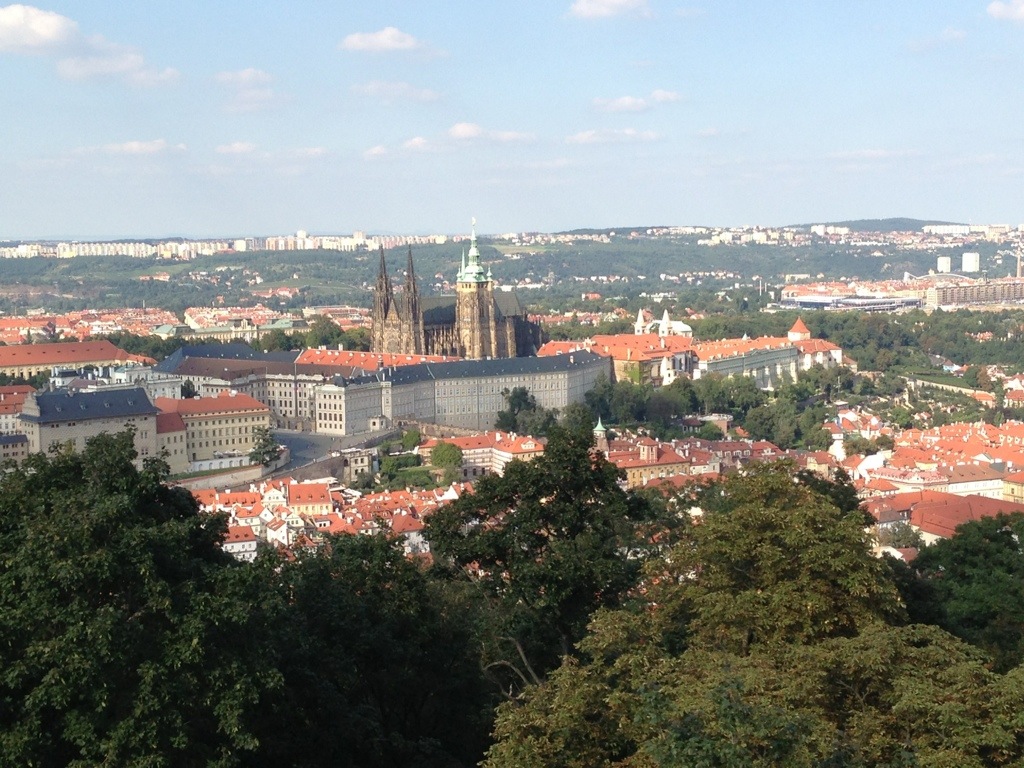
The view from the tower in Petrin Park, looking over river towards the Palace.

20130906-062143.jpg

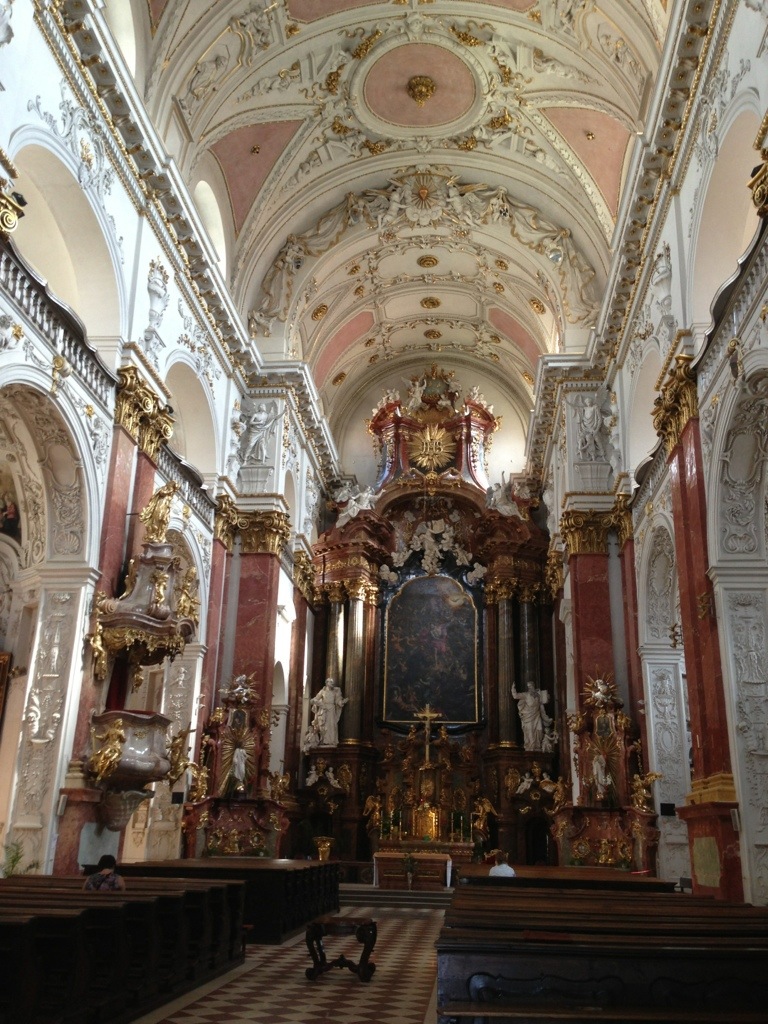
The interior of St Ignatius Church – I would classify it as “high camp” rather than “high church”! It’s a Jesuit thing.

20130906-062231.jpg

20130906-062257.jpg

An idea!

If only there was a similar invention for the Recorder. I would not need lessons!

Error
This video doesn’t exist

Prague Day 2

I wrote about the joy of arriving in a town and discovering a programmed classical soirée in the local church or hall.

I thought all my Christmas’ had come yesterday, when as I was carried along in the previously described tourist tsunami, on passing an amazing Baroque facade church, an ernest young man handed me a stylish professional flyer, describing a concert of “Grand Masters in Old Prague”

The program went something like this:

Bach Toccata and fugue
Handel Messiah
Mozart Exultate Jubilate
Schubert Ave Maria
Vivaldi Four Seasons
Dvorak “various”
Puccini “excerpts”

To be held in the unique mirror chapel 17th century – Klementinum at 8 pm sharp with soloists of the State Opera as well as “top Czech Orchestras”!

As the young shop assistants in Bakers Delight say with enthusiasm as you place your order… ” awesome”!

Awesome indeed. I mentally noted the chapel location, intending to attend, and walked on, or rather was pushed along.

Truely I did a double take when around the corner was another Baroque church and, as Bach is my witness, another young man was just as earnestly, publicizing another concert in equally sumptuous surroundings again with various solo members of the Czech professional orchestras.

By days end I had been accosted by at least another half a dozen concert touts. All these soirees seemed very genuine and professional held in medieval auditoriums, all I assume with perfect acoustics. All had slight variations in programming but in short, every one comprised selections from the “The best Baroque Classics of all times”. All instantly recognizable.

I confess to a niggling sense of unease. I calculated that if all these advertised Baroque classical concerts were consummated on this one evening, should perchance there be a competing professional symphony concert in the National Theatre, the Czech Philharmonic Orchestra ensemble would be decimated to a level of the village band!

Finally what do you make of this english description on a poster in the main church of St Nicholas in the old town square;

“.. the complexity of configuration of its interior, together with its interesting lighting scheme and picturesque plasticity, combine to make it one of the most suggestive church interiors in Prague.”
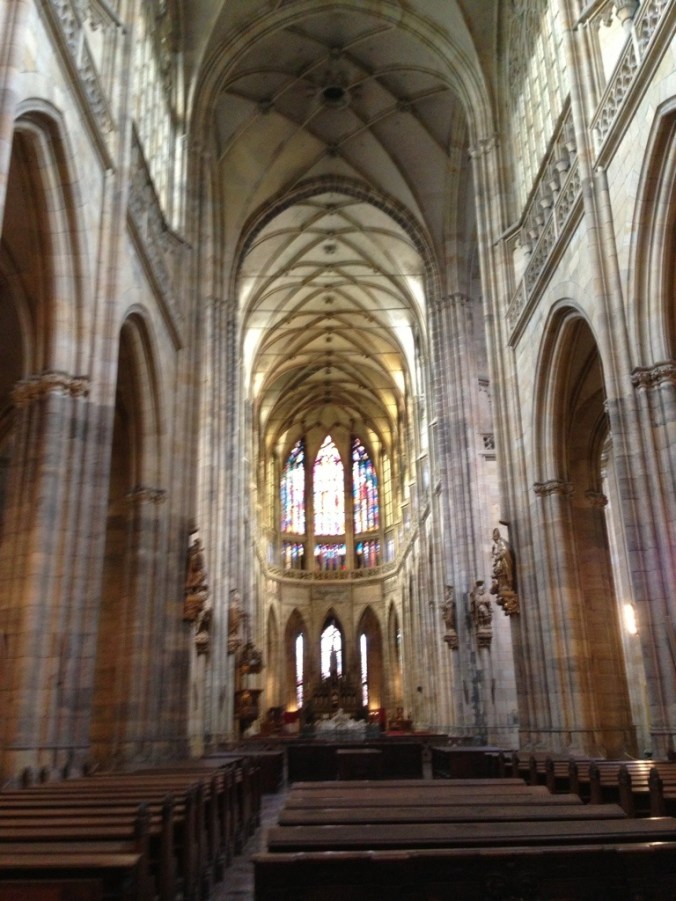
20130905-092549.jpg

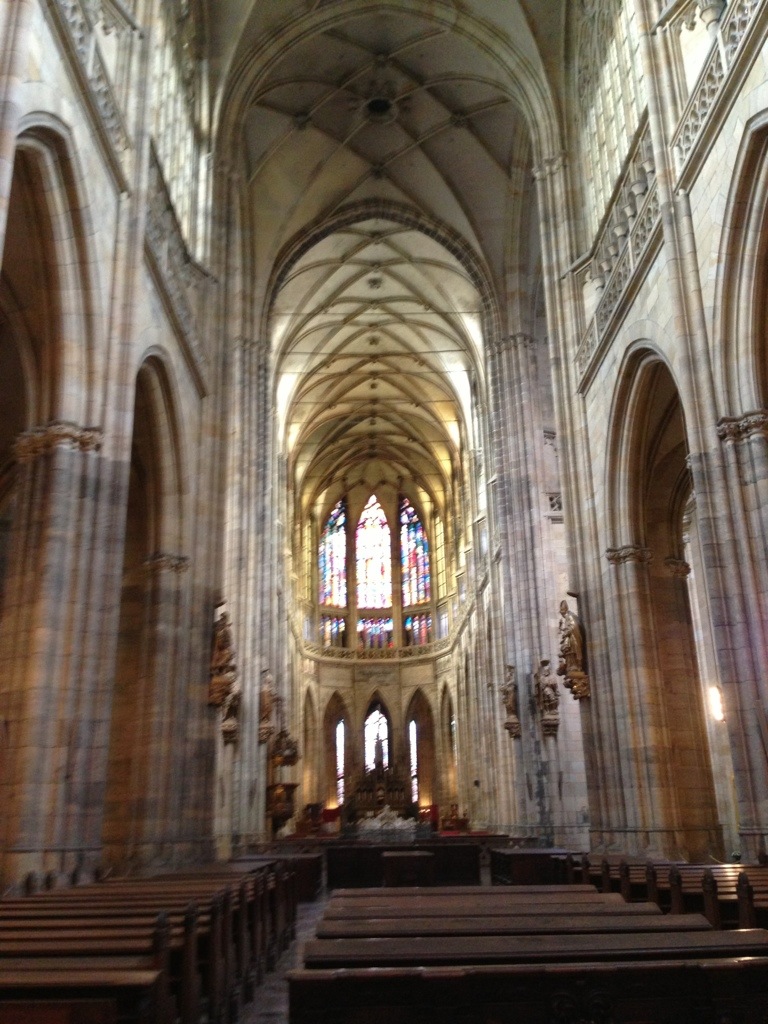
Inside the cathedral of St Vitus – patron saint of dancers.
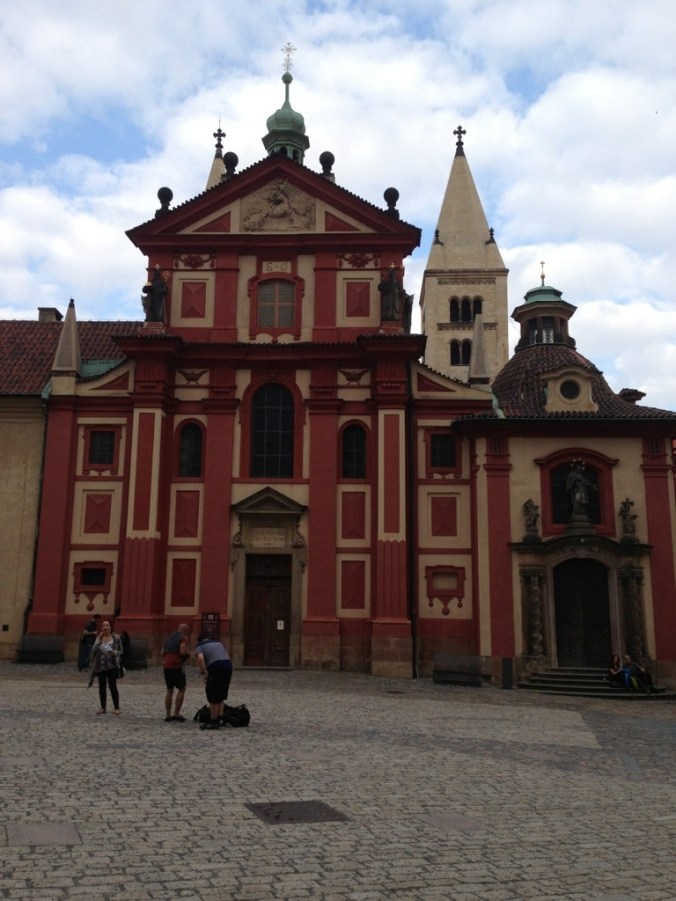
20130905-092721.jpg

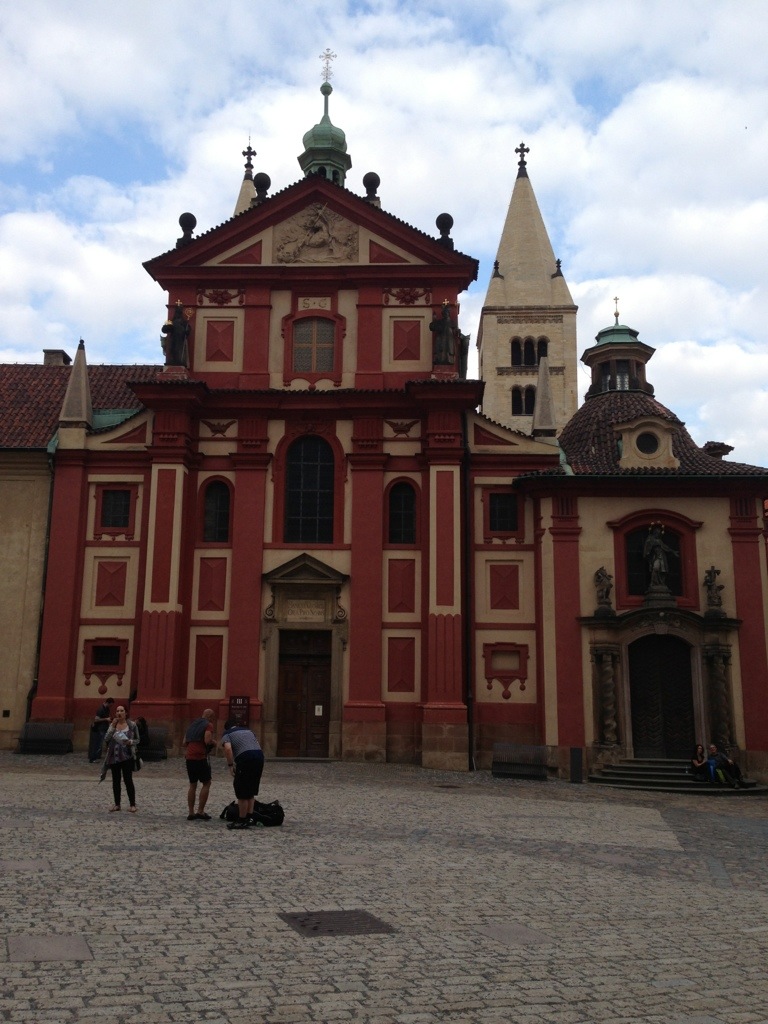
The St George Monastery part of the township surrounding the Prague Palace
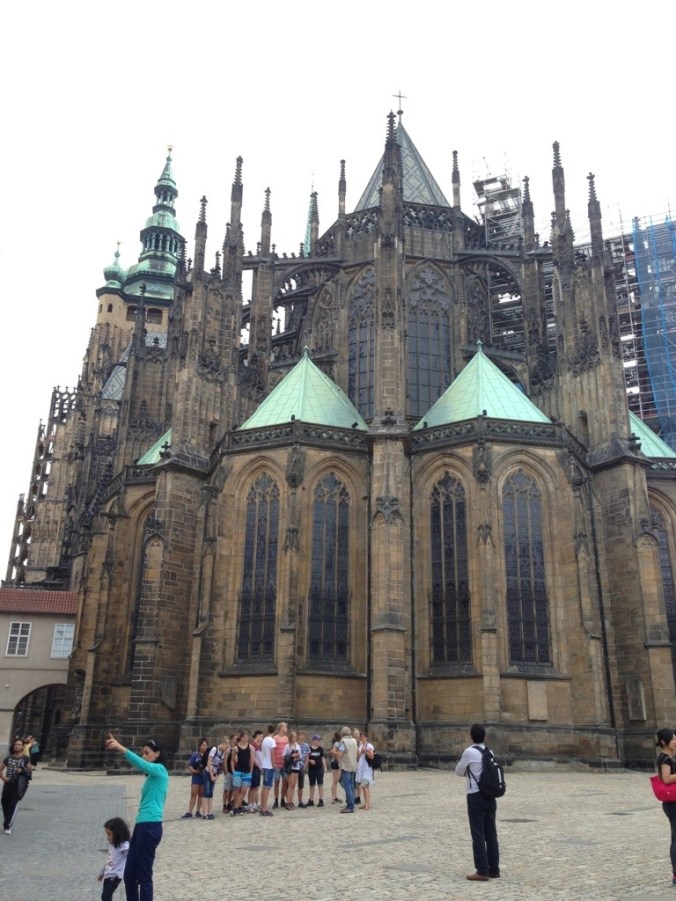
20130905-092823.jpg

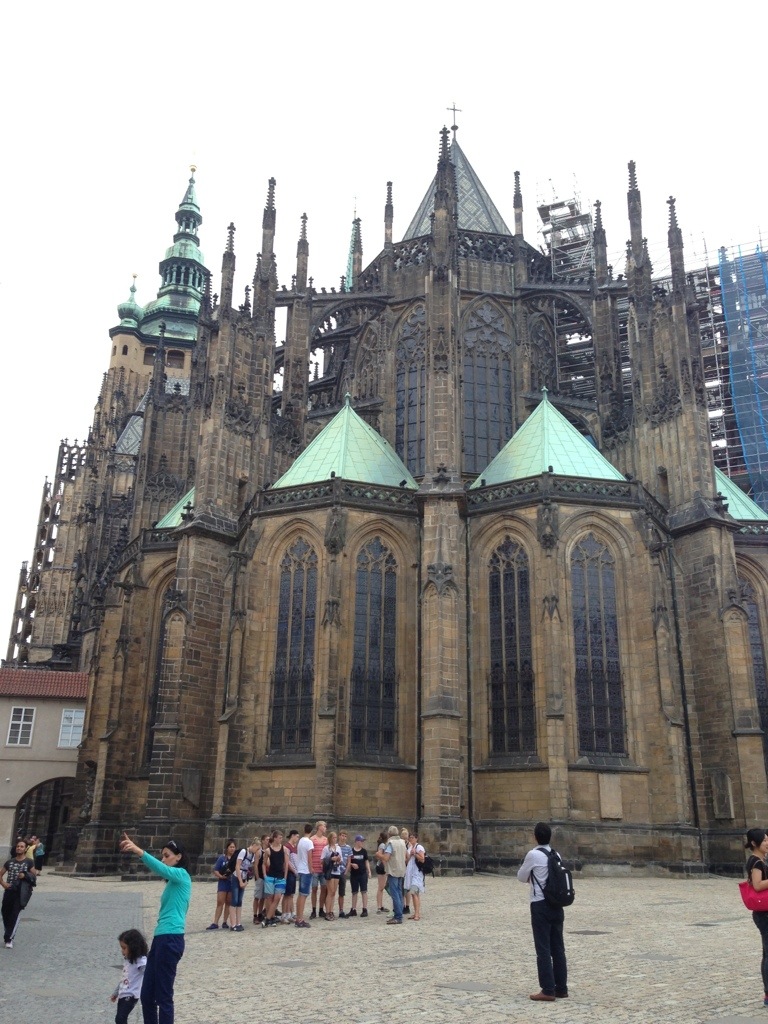
The back of St Vitus cathedral – the bishop who ordered its construction specified it had to be grand and surpass that at Notre Dame. One can see the similarity!
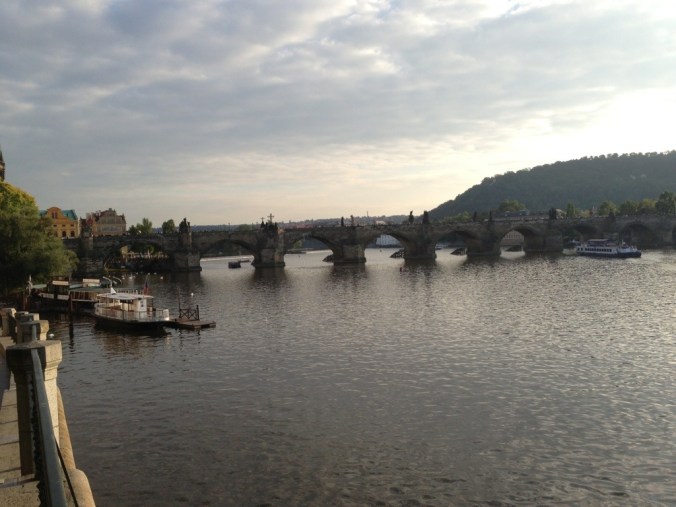
20130905-093039.jpg

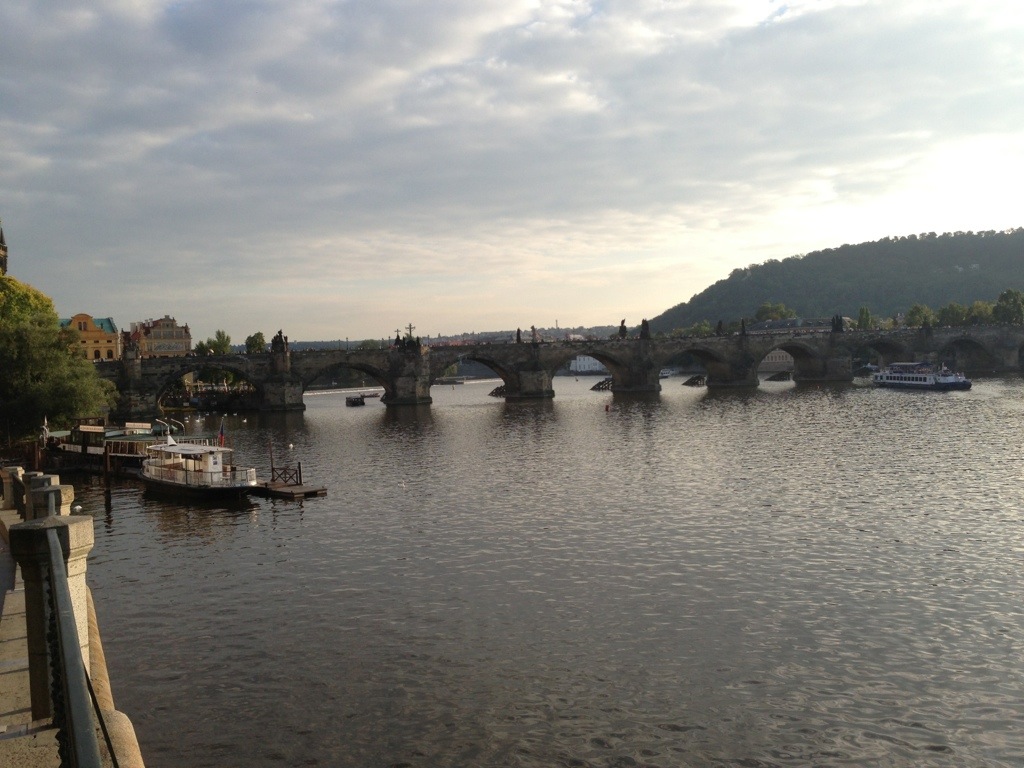
The Charles Bridge at dusk
Prague day 1

My guide book states: “free of traffic (except for a few horse drawn carriages) and ringed with historic buildings, Prague’s Old Town Square ranks amongst the finest public spaces…”

Note carefully that the descriptive “open” is not used and for obvious reason. Never in my wildest dreams, or rather nightmares, have I been confronted with such a seething mass of humanity. It was not enjoyable. So tightly knit were these literally hundreds of tour groups that it was impossible to raise one’s arms from the anatomical position. It was marginally threatening.

The always inventive, inscrutable
Japanese have in predictable fashion, devised a fiendishly simple solution. As they sweep around the corner, like Emperor Penguins (or were they Fairy) in the depths of winter, they execute what can only be described as a huddle. As one, they raise their arms, holding their iPads high above them and advance like a tsunami into the square. The simile is not without substance, as so frightening is the sight, that other groups are torn asunder by the advancing tidal wave.

Now that I think about it, I realize that this obviously explains why Japanese photographers have developed somewhat of a well deserved reputation for the “panorama shot”.

A passing comment: Why is that every museum which I decide to visit on the spur of the moment, is invariably closed on that day? The Museum of Music in fact is normally closed on Tuesdays, but some inexplicable reason was also closed for the following two days!

20130904-212045.jpg

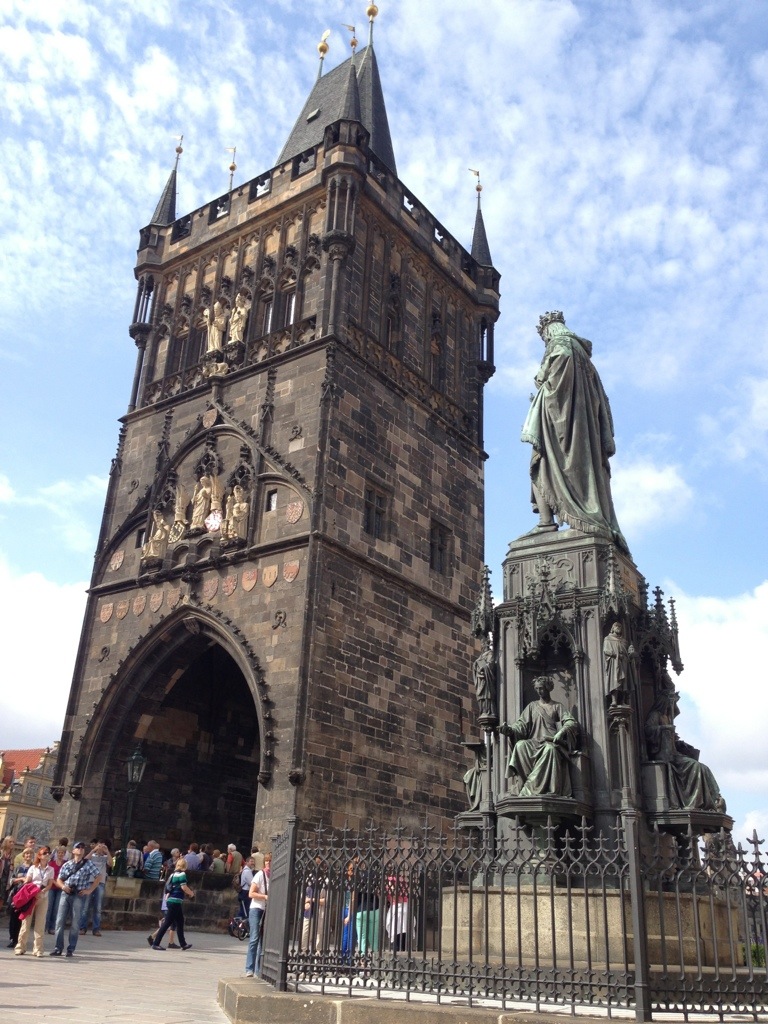
Statue of Charles and tower of the Eponymous bridge.

20130904-212149.jpg
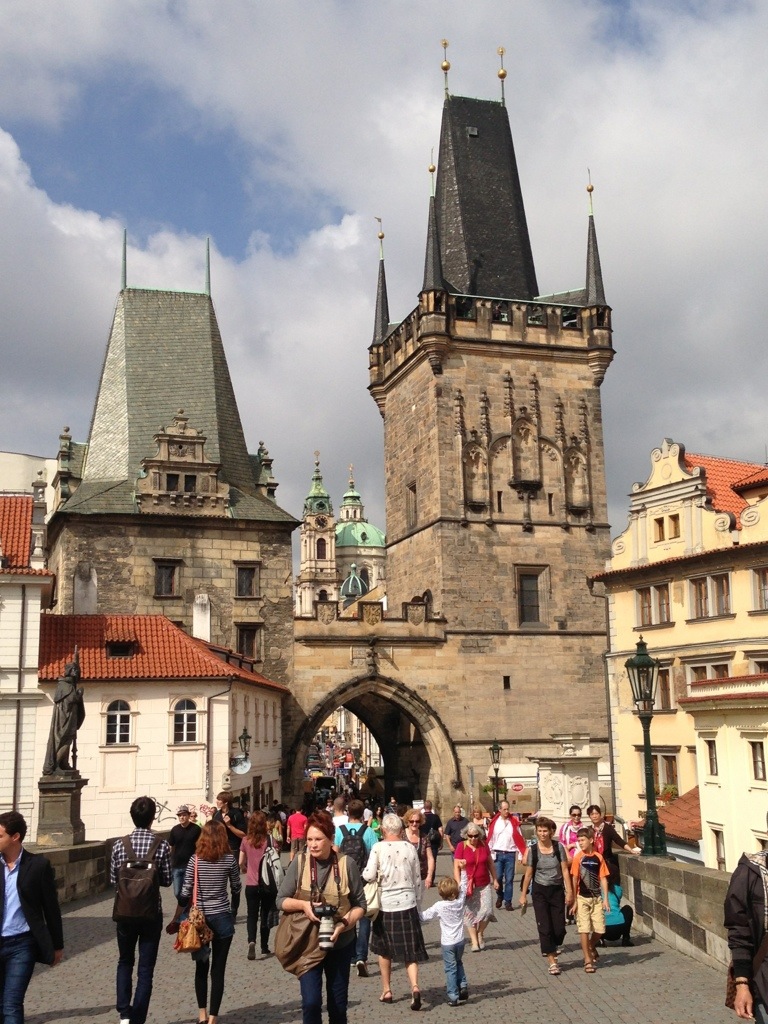
The Little Quarter Tower Bridge

20130904-212305.jpg

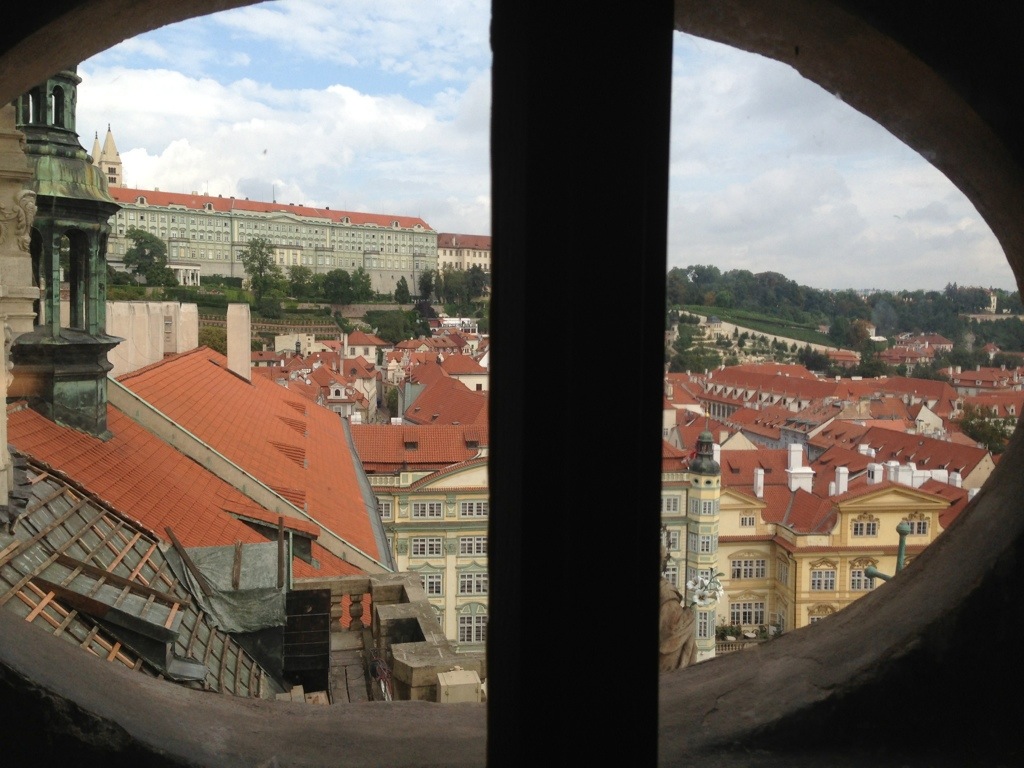
The view from the watchman’s “apartment” in the Bell tower of St Nicholas. His job was to ring the bells in time of danger – enemy, fire or flood – the place to be in which case! He received 531 florins a year. In addition his benefits included one pair of ear muffs – even in 1576 OHS was ever present.

20130904-212359.jpg

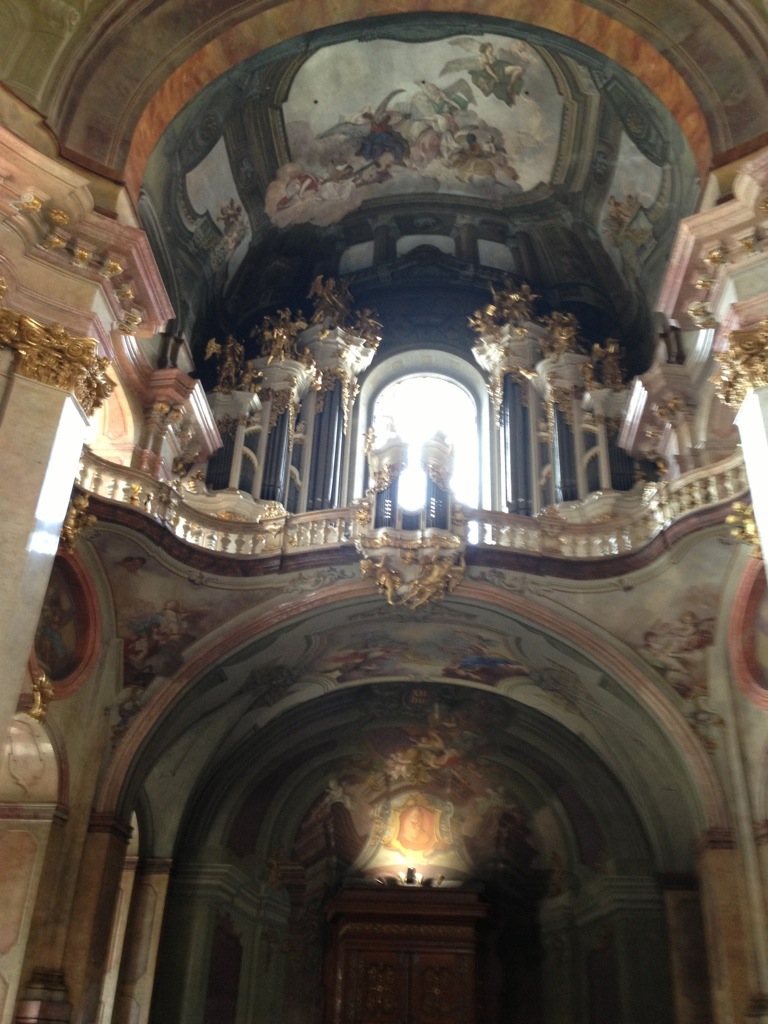
The organ of the Church of St Nicholas. A fresco of St Cecilia, Patron saint of music, watches over the organ, constructed in 1787 and…. wait for it, played by Mozart in 1787. Now for me that is a religious experience.

20130904-212442.jpg

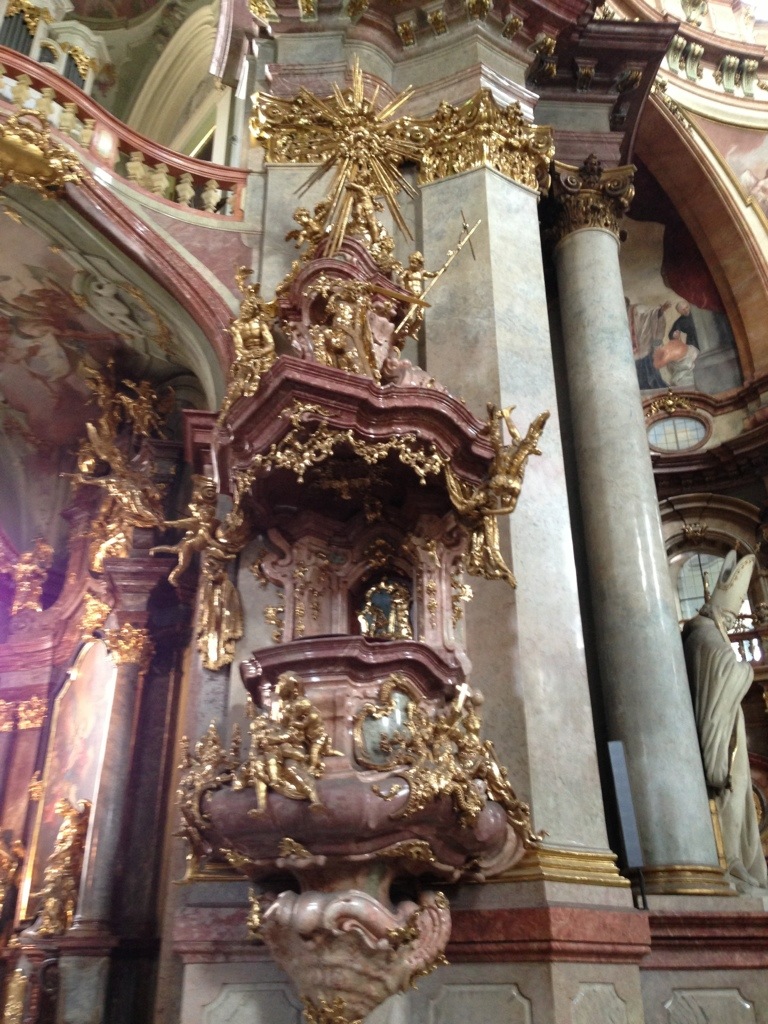
The pulpit dating from 1775. They buy Brasso by the bucket load. The altar boys gain considerable rubbing skills.

20130904-212524.jpg

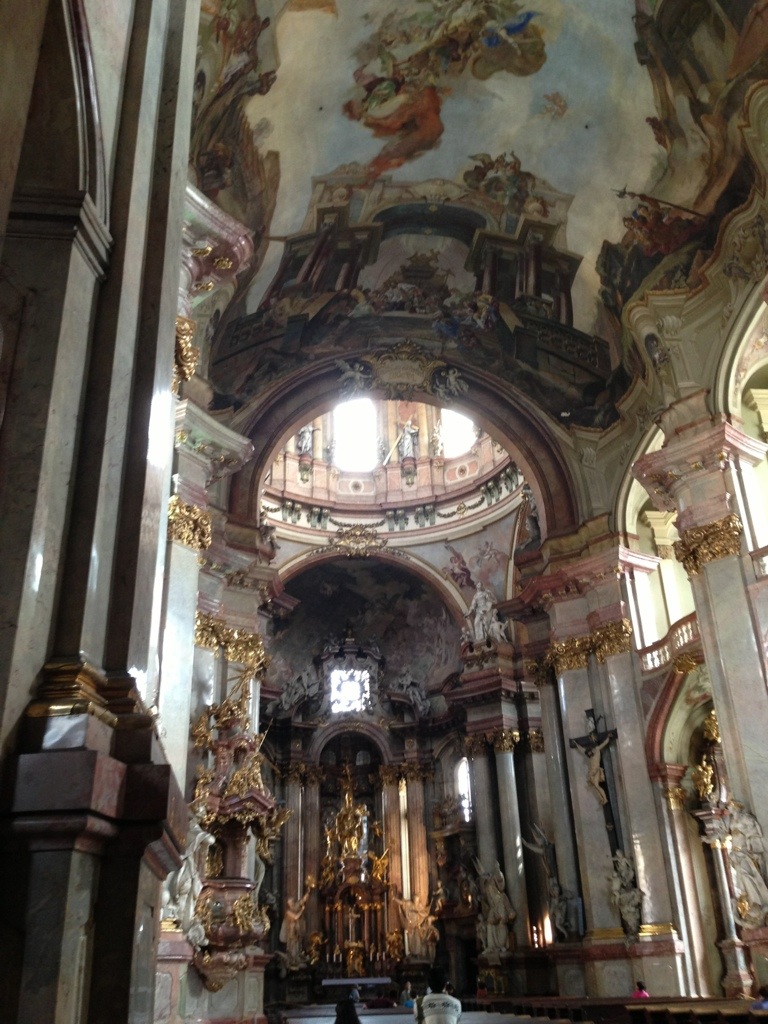
Church of St Nicholas – this is the last bloody church I am going to snap. Promise. What is more confusing is that the TWO main churches in Prague are both called. St Nicholas.

20130904-212617.jpg

The Rudolfinum – home of the Czech Philharmonic Orchestra

Prague trinkets

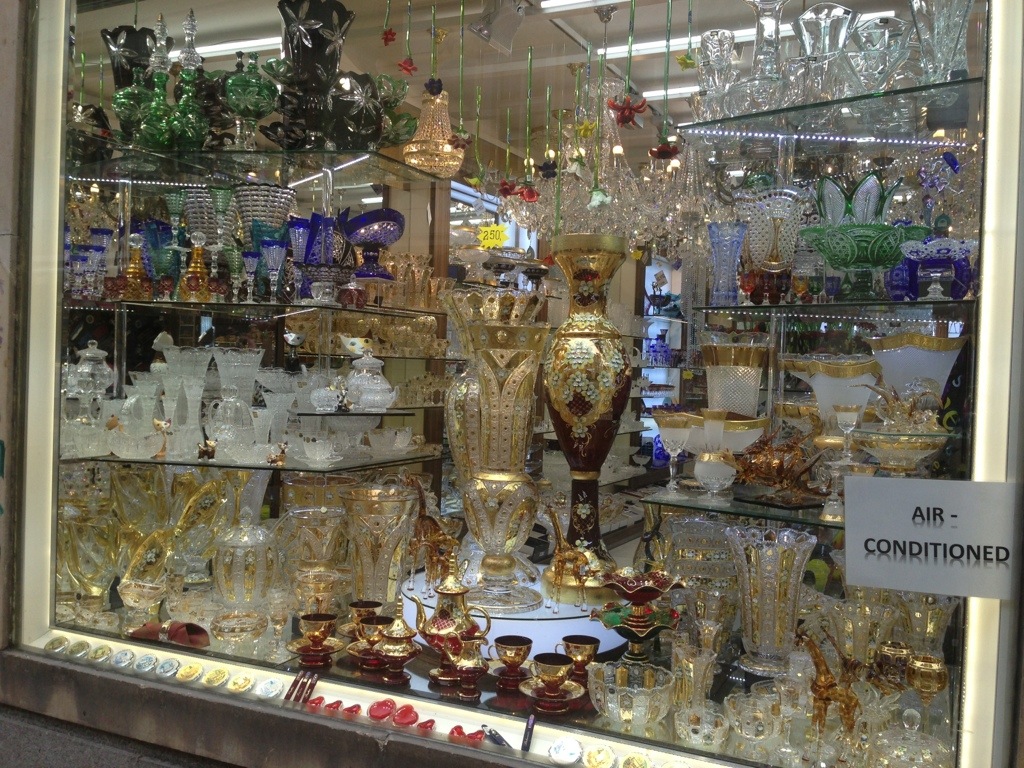
Is there a Czech trashy tourist trinket? The equivalent of the Irish leprechaun stuffed soft toy or the Scandinavian Viking head gear or the Australian stuffed Koala, or even the soft leather pouch used to carry golf balls – appropriately manufactured out of tanned kangaroo scrotum skin and snapped up by startled Japanese golfers, presumably the men, more quickly than one can say “torsion”.

The answer to this rhetorical question is “yes” and as long as it is something in glass or “bohemian” crystal, one can label it a Czech “souvenir”. The most common appears to be the chandelier. It is crystal clear to me that the vast majority, if not all, are glass and perhaps may be described as bohemian, figuratively rather than literally.

Unfortunately, size prohibits me from bringing any of these back as presents – sorry Pamela!

20130904-150449.jpg

Madame Butterfly in Prague

A night at the opera – the Prague State Opera – perfect seat : 4th row from the front smack in the middle. Puccini has not been in my top of the pops of composers, but after tonight, he has moved up the charts, a lot. I find Puccini to be a “tune tease”. Tonight I appreciated the complexity and tunefulness of this opera and the fact that Pinkerton is Puccini’s “Don Giovanni”. A sailor has a girl in every port, although I do believe some sailors enjoy tying up with a buoy.

As always I ask myself would I do the ironing to the music? Perhaps more so than a week ago.
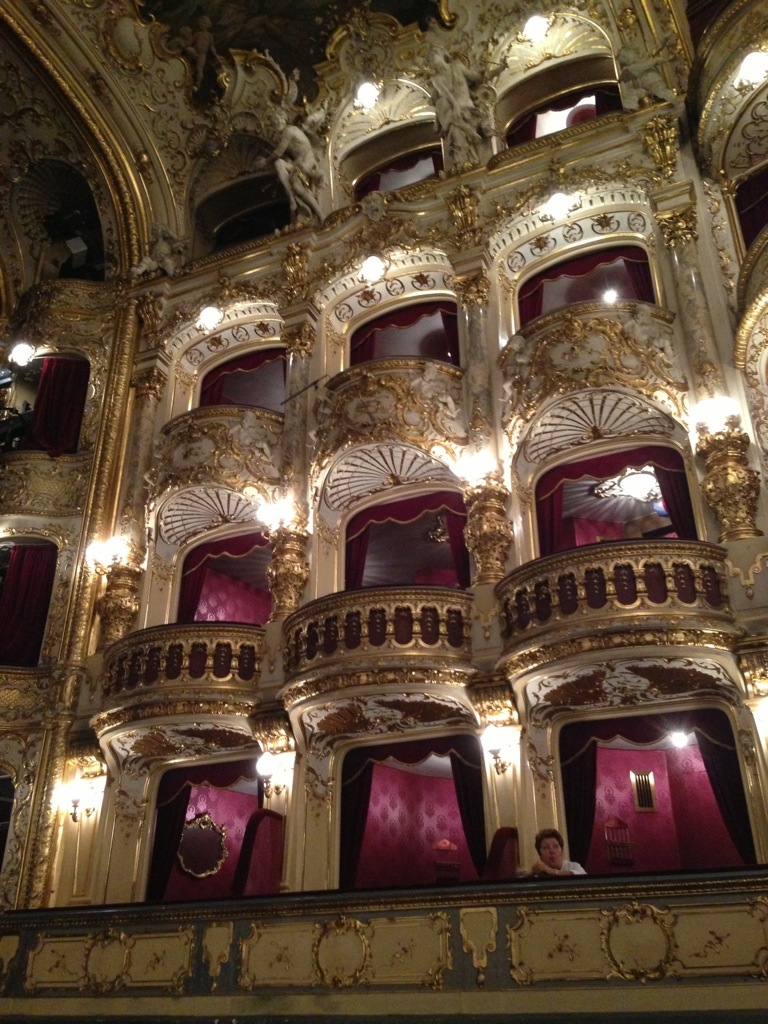
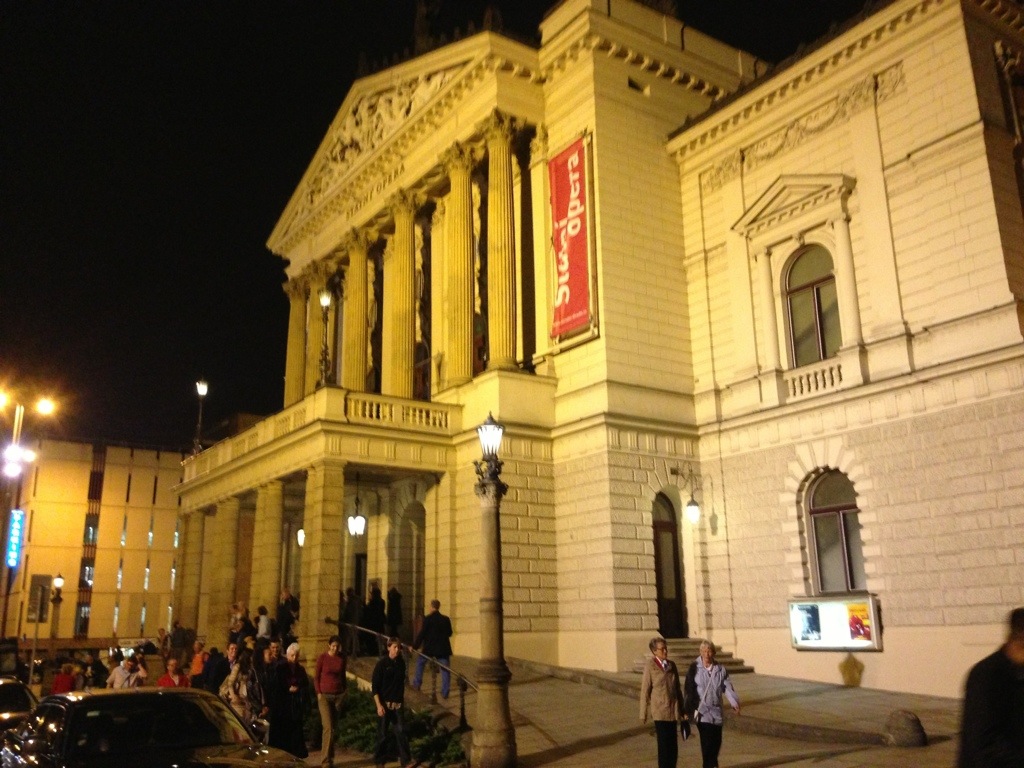
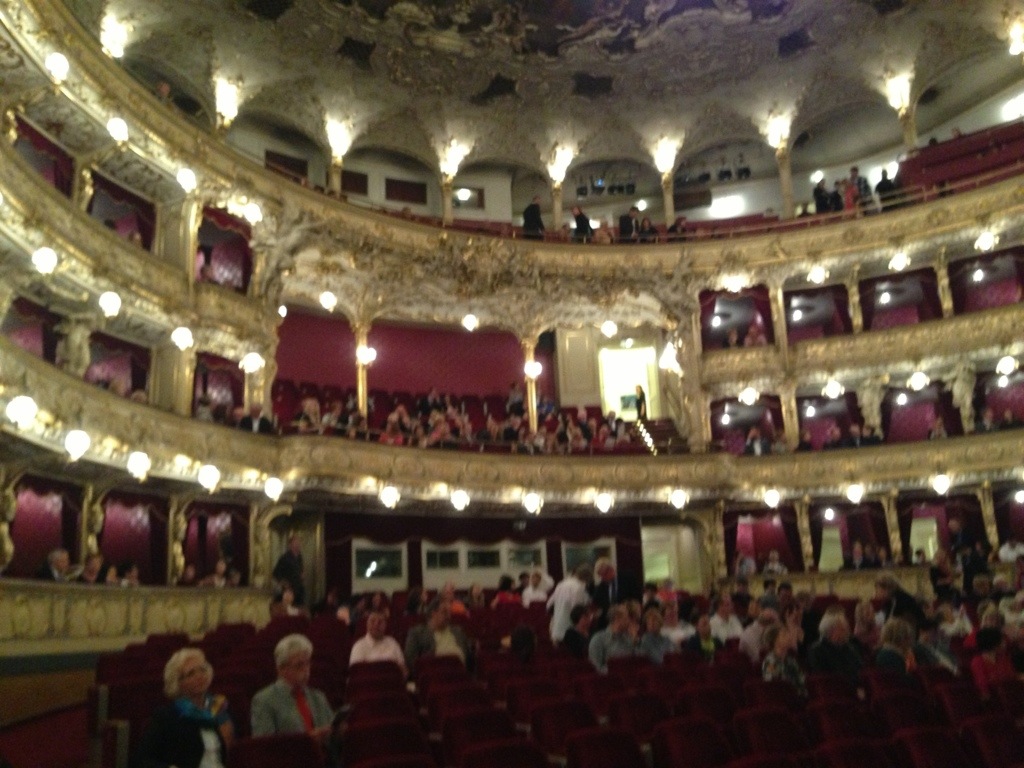
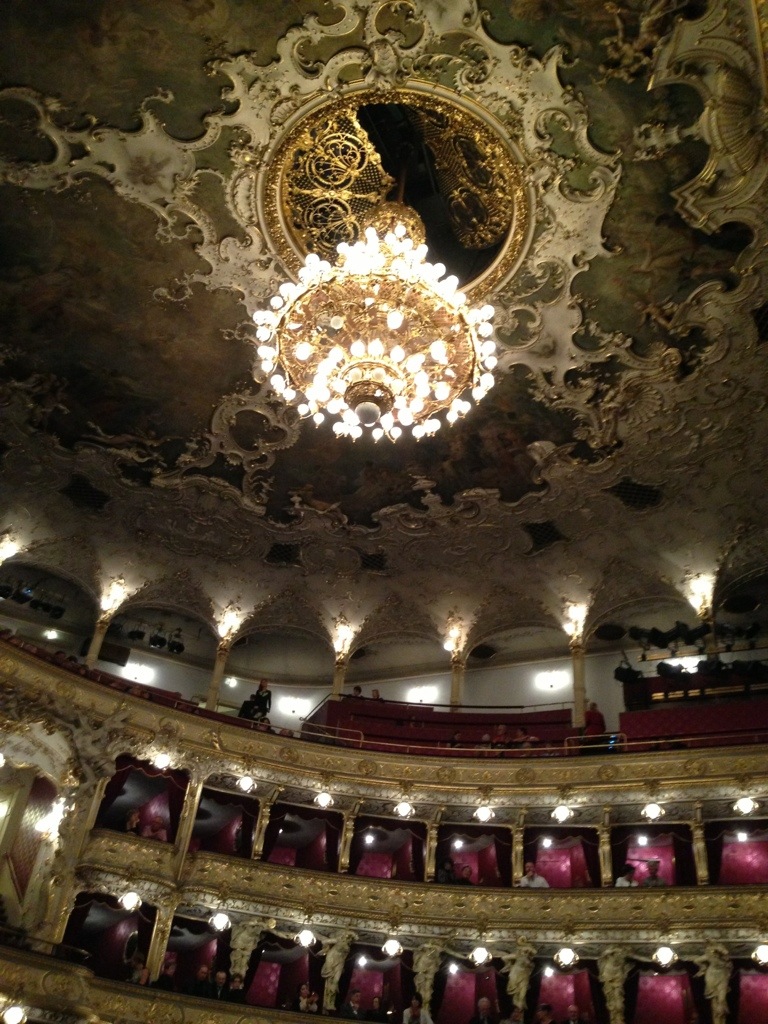
The Opera theatre is the ultimate in Baroque design! The theatre itself originally opened in 1888 as the New German Theatre and from 1949 to 1989 it was known as the Smetana Theatre. More recently it is known as the Prague State Opera.

As I had wandered the streets of Prague from 10 am till curtain up at 7 pm, I brought a crisp new shirt for $15. Surprisingly the theatre was only 2/3 full.

20130904-081858.jpg

The auditorium

20130904-081949.jpg

I am led to believe its genuine bohemian crystal.

20130904-082046.jpg

20130904-082100.jpg

The Opera Theatre

20130904-082129.jpg

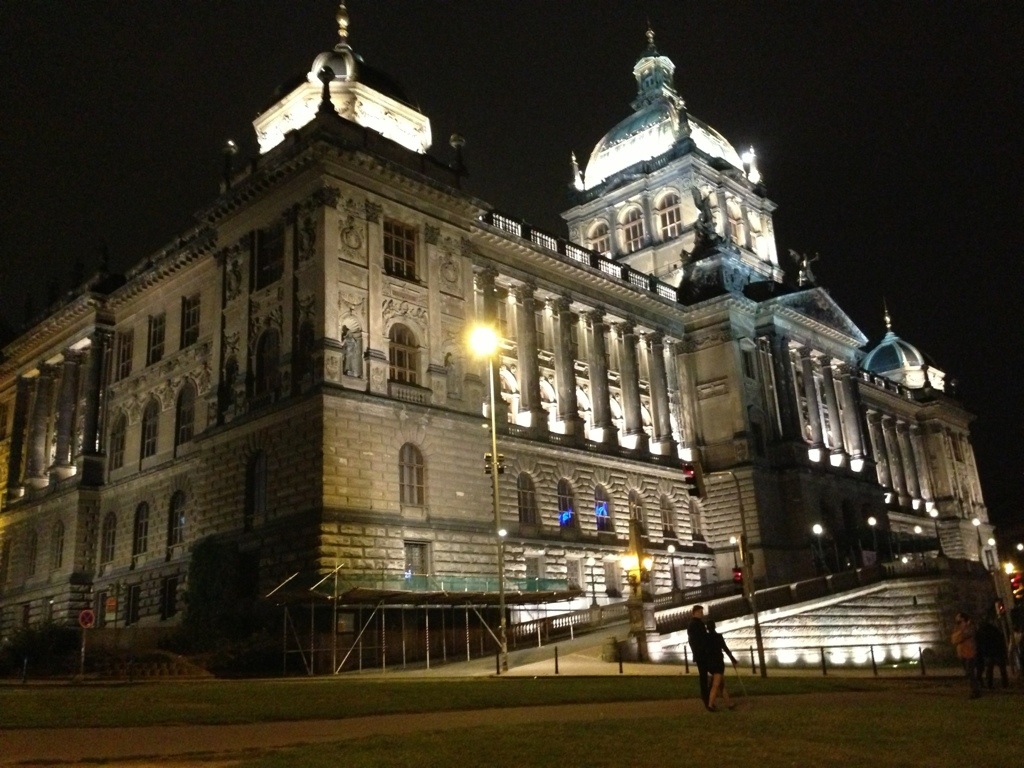
The adjacent National Museum , this older section is presently closed for renovations.

Litomerice

I don’t think I have blogged specifically about this delightful town – well worth the stay and recommended. A brief blog then pictures!

Litoměřice (Czech) ; German: Leitmeritz) is a town at the junction of the rivers Elbe (Czech: Labe) and Ohře (German: Eger) in the north part of the Czech Republic, approximately 64 km (39,7 mi) northwest of Prague.

The area within the Ústí nad Labem Region is called the Garden of Bohemia thanks to mild weather conditions important for growing fruits and grapes. During the time of the Austro-Hungarian Empire, many pensioners chose it over more southern areas of the Empire. However I don’t think I would settle here in my twilight years.

There are two relatively significant periods in modern history with respect to the Czech Republic – the German occupation during the Second World War and then even more recently that by the Russians as part of the Eastern Bloc. In terms of the War, there is much to still see and contemplate serving as reminders of those devastating years. Surprisingly there is almost nothing that remains or is maintained with respect to the Russian occupation. I am not sure why this should be.

20130903-062446.jpg

Part of the ancient walls and battlements.

20130903-062654.jpg

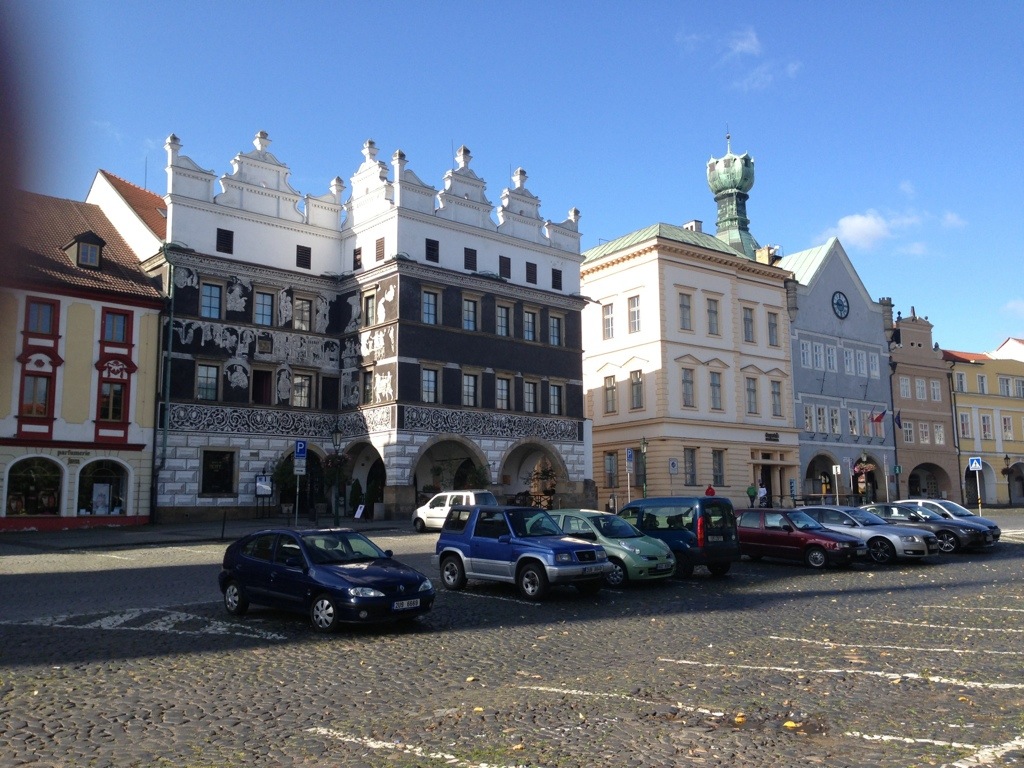
The Litomerice. square

20130903-062918.jpg

Cafe Bongornio – Litomerice style, sadly without the coffee at least in quality.

20130903-063047.jpg

20130903-063118.jpg

A Jesuit church and monastery !

20130903-063216.jpg

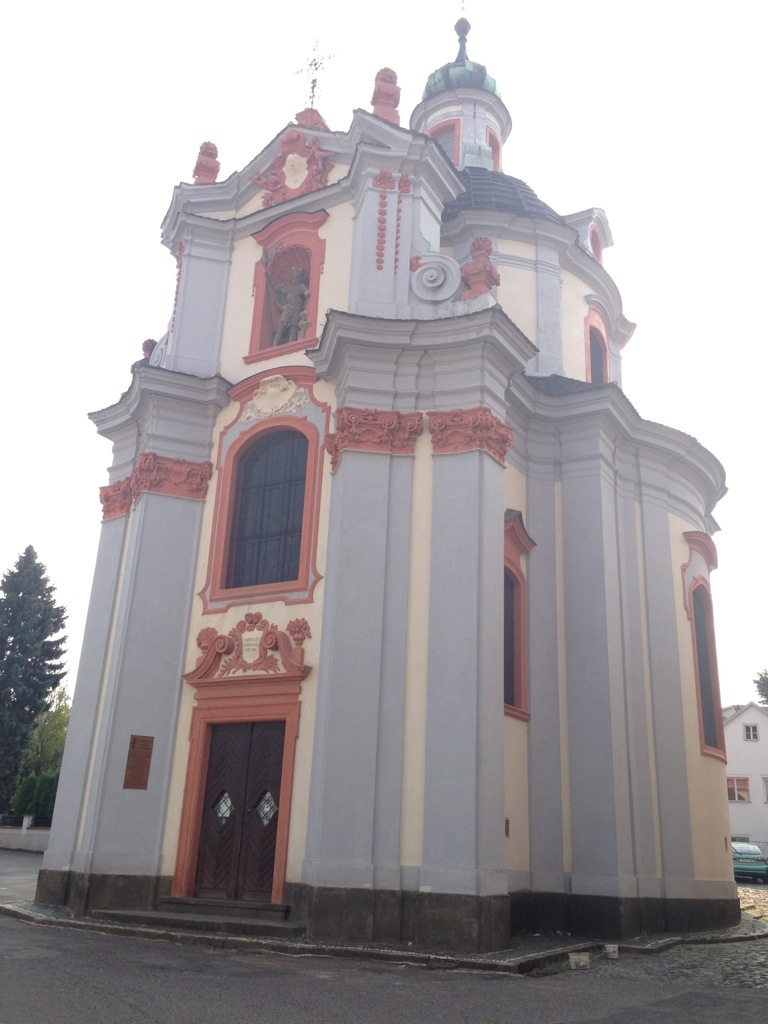
The quaint church of Saint Wencelas , who I guess is somehow related to the Good King? He seems to be a significant historical person.

20130903-063426.jpg

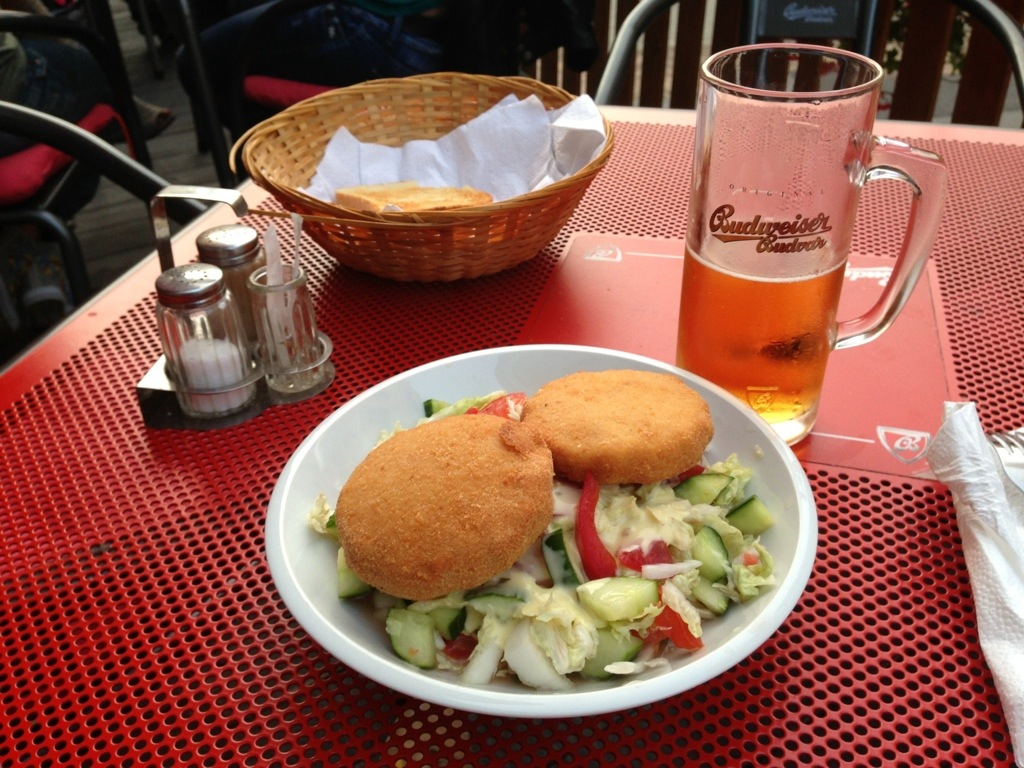
Crumbed bull’s testicles …. A man has to eat!